
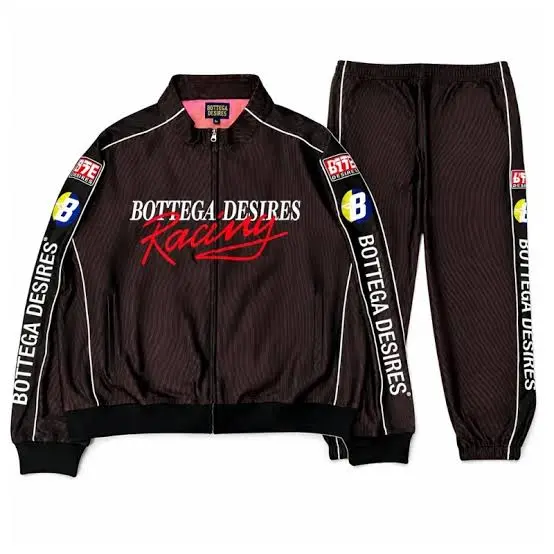
Streetwear is no longer defined by a single look. Some people gravitate toward expressive graphics and recognizable visual details, while others prefer clothing that communicates personality through carefully selected silhouettes and combinations. Bottega Desires and Saint Vanity offer an interesting subject for exploring this variety in contemporary fashion. Rather than approaching streetwear as a collection of predictable outfit formulas, their names can be considered within a wider conversation about individuality, visual identity, and the freedom to develop a personal aesthetic.
For fashion enthusiasts, discovering different clothing labels is not simply about finding another brand to wear. It is about understanding which designs complement their preferences and how different pieces can contribute to a wardrobe that feels distinctive.
Bottega Desires and the Appeal of Individual Expression
Personal expression has become an important part of how people approach streetwear. A garment can attract attention through its visual details, but its lasting value often depends on how naturally it fits into someone’s everyday style.
Bottega Desires provides an opportunity to explore this idea through the relationship between clothing and personal identity. When considering pieces associated with the label, shoppers should look beyond the immediate visual impression and think about how a particular design could work within their existing wardrobe.
A noticeable graphic, an interesting color combination, or a distinctive silhouette can influence the direction of an outfit. However, the strongest styling decisions are not always the most complicated. Pairing a visually prominent top with straightforward denim and understated footwear, for example, can create a balanced appearance without taking attention away from the main garment.
This approach makes individual clothing choices more meaningful. Instead of dressing exclusively around trends, people can select pieces that reflect the visual character they naturally enjoy.
Saint Vanity and a Different Approach to Personal Style
Saint Vanity brings another name into the discussion of contemporary fashion and individual dressing. Exploring it alongside Bottega Desires creates an opportunity to consider how different clothing identities can inspire different wardrobe decisions.
The interesting part of this comparison is not deciding that one label is automatically better than the other. Personal style is subjective, and shoppers often look for different qualities when choosing clothing. One person might prioritize a garment’s graphic presentation, while another might pay closer attention to its silhouette, color, or versatility.
Saint Vanity can be considered from this perspective: how does a particular piece fit the overall direction someone wants their wardrobe to take? Rather than choosing clothing simply because a name is gaining attention, shoppers can evaluate whether its designs complement their preferred combinations.
This makes fashion discovery more personal. A recognizable label may introduce someone to a new aesthetic, but the way its clothing is worn ultimately depends on the individual.
What Makes the Comparison Interesting?
Bottega Desires and Saint Vanity are worth discussing together because they provide a starting point for examining how people approach clothing beyond conventional fashion categories.
Comparisons between labels do not always need to revolve around prices, popularity, or product counts. They can also explore the different reasons shoppers become interested in particular designs.
Consider three aspects when evaluating either name:
- Visual identity: Look at the design elements that initially attract your attention, including graphics, colors, and overall presentation.
- Wardrobe compatibility: Consider whether the clothing works with items you already own rather than requiring an entirely new wardrobe.
- Personal preference: Decide whether the aesthetic reflects your own taste instead of choosing something solely because it appears frequently in fashion content.
These considerations make a comparison more useful because they help readers think about their own requirements instead of relying on a universal ranking.
Creating Different Outfits With a Personal Perspective
The relationship between clothing and individual expression becomes particularly clear when styling different pieces. Two garments from different labels can contribute to entirely different looks, even when worn with similar wardrobe essentials.
For example, a graphic-led outfit can be built around a Bottega Desires top, relaxed denim, and simple sneakers, provided the selected garment suits that combination. The straightforward supporting pieces allow the main design to remain visually prominent.
For a different direction, a Saint Vanity piece can be approached through layering and proportion. Depending on its actual design, combining it with relaxed trousers, suitable outerwear, and complementary footwear can create a more structured everyday appearance.
These are not fixed brand uniforms. They are examples of how shoppers can use individual garments as starting points for their own combinations.
The same principle applies to accessories. Caps, bags, and jewelry can introduce additional character, but they should support the overall outfit rather than compete with every other element.
Choosing Between Bottega Desires and Saint Vanity
Choosing between two clothing labels becomes easier when the decision is based on actual preferences rather than general assumptions. Start by identifying the kind of clothing you are looking to add to your wardrobe.
If a particular Bottega Desires design catches your attention, examine its available product information, sizing, materials, and construction details. Apply the same process when considering Saint Vanity. Product photographs can help communicate appearance, but measurements and accurate descriptions are important for setting realistic expectations.
It is also worth considering how frequently you could wear a particular garment. A piece that works with several existing outfits may provide more practical value than one that only suits a single combination.
Finally, consider the retailer. Check for clear business information, accessible customer support, transparent payment arrangements, and understandable return policies before placing an order. A brand name alone should never replace basic purchasing checks.
Individuality Matters More Than Following a Fashion Formula
The most interesting aspect of contemporary streetwear is the freedom to interpret clothing differently. People do not need identical wardrobes to appreciate similar fashion influences, and they do not need to follow every emerging trend to develop a recognizable appearance.
Bottega Desires and Saint Vanity provide two names around which shoppers can explore this idea. Their relevance to an individual’s wardrobe depends on the actual garments, their design preferences, and the way each piece fits into everyday dressing.
Ultimately, good personal style is not about choosing a label and copying everything associated with it. It is about discovering clothing that feels appropriate, combining it thoughtfully, and developing an aesthetic that remains recognizable without becoming restrictive. That is where the conversation around Bottega Desires and Saint Vanity becomes more interesting: fashion becomes less about following someone else’s formula and more about creating one of your own.
Also Read
- What Does MWA Mean in Text? Meaning, Uses, Examples & More
- Custom Beverage Packaging for Juice and Drinks
- What Does “Thy” Mean in Text? Meaning, Uses, and Examples