
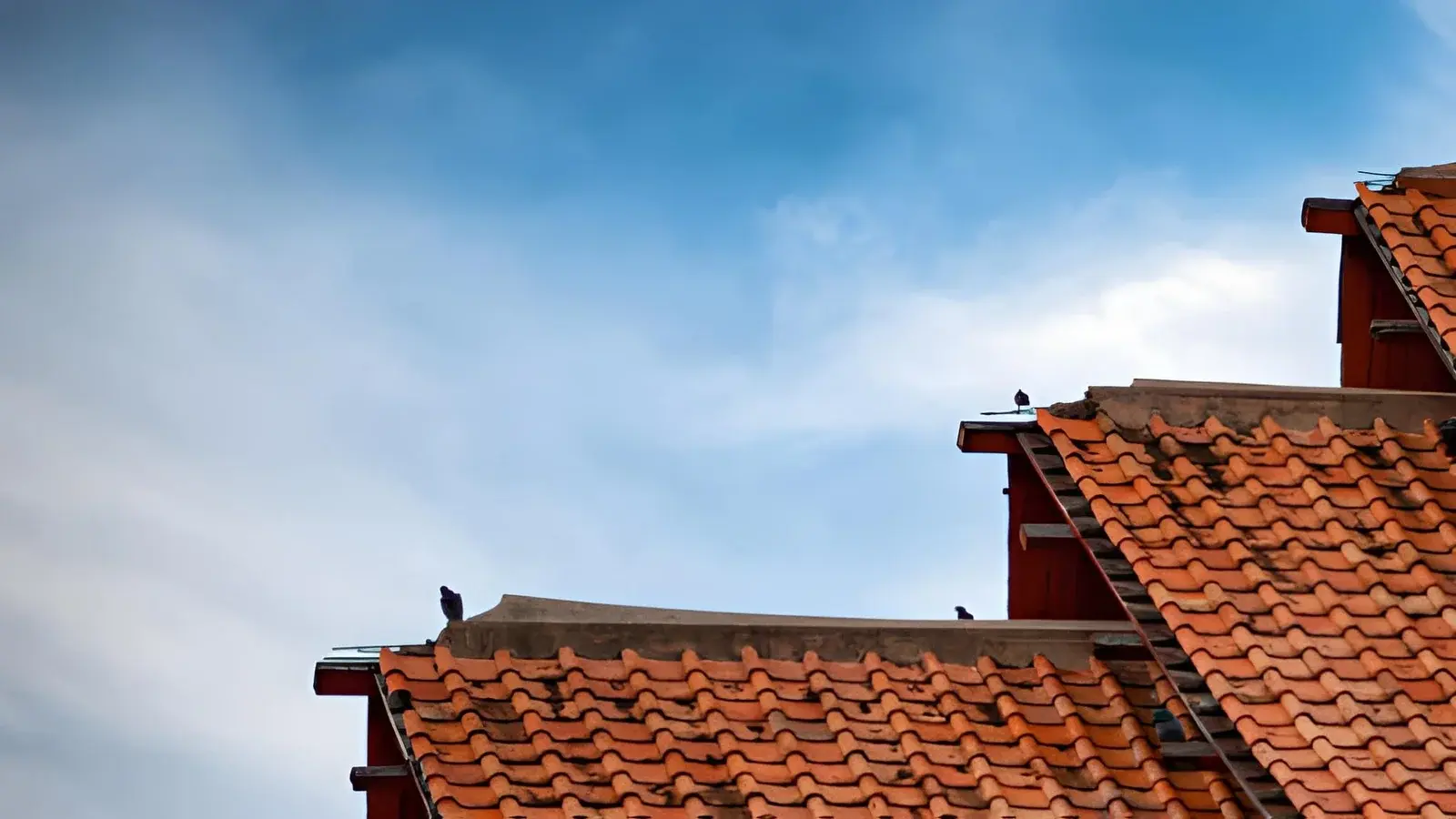
A durable roof protects your home from harsh weather, moisture, sunlight, and temperature changes. However, even premium roofing materials gradually deteriorate when homeowners neglect routine care. Continuous exposure to rain, wind, heat, and debris can weaken roofing components and create expensive problems.
Fortunately, homeowners can extend roof longevity through simple preventive measures. Regular inspections, proper drainage, adequate ventilation, and timely repairs help roofing systems maintain reliable performance.
Moreover, consistent maintenance protects insulation, structural framing, and interior finishes from avoidable water damage.
Instead of waiting for visible leaks or significant deterioration, homeowners should develop a proactive roofing maintenance plan. Understanding which factors affect roof performance makes protecting this important investment easier.
Understand What Affects Roof Lifespan
Different roofing systems have different service-life expectations.
Asphalt shingles, metal panels, clay tiles, and slate roofs vary in durability, maintenance requirements, and resistance to environmental conditions.
However, material selection represents only one factor.
Installation quality, roof pitch, local climate, ventilation, and ongoing maintenance also influence performance.
For example, homes in coastal locations may experience corrosion from salt exposure. Meanwhile, properties in colder climates face snow accumulation and repeated freezing cycles.
According to GAF’s roof lifespan guidance, roofing materials, installation practices, and weather conditions all influence replacement timelines.
Therefore, homeowners should develop maintenance practices that match their specific roofing materials and environmental conditions.
Schedule Regular Professional Roof Inspections
Routine inspections help identify minor roofing problems before they cause extensive damage.
Homeowners should inspect visible roof areas periodically and arrange professional evaluations when necessary.
During an inspection, roofers examine shingles, flashing, ventilation openings, gutters, and vulnerable roof penetrations.
Additionally, they look for damaged sealants, rusted components, and signs of trapped moisture.
For instance, a loose shingle may initially expose only a small section of underlayment. However, continued rainfall can allow moisture to reach the roof deck.
Consequently, early repair may prevent damage to insulation and interior ceilings.
Homeowners should also arrange inspections after major storms, especially when strong winds or hail affect the property.
Keep Gutters Clear and Improve Drainage
Effective drainage protects roofing materials from unnecessary moisture exposure.
Gutters collect rainwater and direct it through downspouts away from the home.
However, accumulated leaves, twigs, and dirt can obstruct water movement.
When gutters overflow, moisture may reach fascia boards, soffits, and exterior walls.
Over time, persistent moisture can contribute to wood deterioration and other structural problems.
Therefore, homeowners should inspect gutters regularly and remove debris when necessary.
Additionally, they should verify that downspouts drain properly and discharge water away from the foundation.
Homes surrounded by mature trees may require more frequent cleaning.
The GAF annual roof maintenance guide identifies gutter cleaning as an important step in protecting roofing systems.
Repair Damaged Shingles Without Delay
Roofing shingles provide an important barrier against weather exposure.
However, prolonged sunlight, temperature changes, and strong winds can gradually weaken them.
Homeowners may notice cracked surfaces, curling edges, missing shingles, or excessive granule accumulation inside gutters.
These warning signs deserve attention.
For example, lifted shingles may allow wind-driven rain to reach underlying roofing materials.
Furthermore, missing shingles can expose vulnerable sections of the roof deck.
Qualified roofing contractors can determine whether targeted repairs will restore protection or whether wider deterioration requires additional work.
Prompt repairs help limit water intrusion and prevent small defects from spreading.
Maintain Proper Attic Ventilation
Attic ventilation influences roof temperature and moisture conditions.
In appropriately designed vented attics, intake and exhaust openings encourage air movement beneath the roof deck.
During summer, ventilation helps remove accumulated heat. During winter, it can help control moisture and reduce conditions that contribute to ice dams.
However, blocked soffit vents can interrupt airflow.
According to ENERGY STAR’s attic ventilation guidance, proper ventilation works alongside insulation and air sealing to support roof durability.
Therefore, homeowners should check ventilation openings and avoid blocking them with stored belongings or loose insulation.
Nevertheless, ventilation requirements depend on roof design, and properly constructed unvented assemblies require a different approach.
Professional evaluations can identify suitable improvements.
Strengthen Attic Insulation and Air Sealing
Insulation helps maintain comfortable indoor temperatures while reducing unwanted heat transfer.
However, gaps around attic access points, plumbing penetrations, and electrical openings can allow conditioned air to escape.
During winter, escaping heat may warm the roof deck and contribute to uneven snow melting.
Consequently, meltwater can refreeze near colder roof edges and create ice dams.
Homeowners should therefore evaluate attic insulation and air leakage.
Sealing appropriate openings and maintaining consistent insulation coverage can improve energy efficiency while supporting healthier roof conditions.
However, insulation should never obstruct required ventilation pathways.
Proper installation helps control heat transfer without creating additional moisture problems.
Protect Flashing Around Roof Penetrations
Flashing prevents water from entering vulnerable transitions where roofing materials meet walls, chimneys, skylights, and ventilation pipes.
These locations require careful attention because they contain joints and changes in roof geometry.
Unfortunately, flashing may loosen, corrode, or deteriorate over time.
When that happens, rainwater can enter through small openings.
Therefore, roofing inspections should include flashing and surrounding materials.
Contractors can replace damaged metal sections, correct faulty connections, and restore appropriate waterproofing details.
Homeowners should avoid relying exclusively on temporary sealant applications when flashing requires structural repair.
Properly installed flashing provides more dependable long-term protection.
Control Moss, Algae, and Organic Debris
Shaded roofing surfaces may develop moss, algae, or lichen when moisture remains present.
Although some staining causes mainly cosmetic concerns, heavy moss growth can retain moisture and interfere with certain roofing materials.
Furthermore, accumulated leaves and branches can slow drainage in roof valleys.
Homeowners should monitor these areas and arrange suitable cleaning when necessary.
However, aggressive pressure washing can damage asphalt shingles and remove protective granules.
Therefore, cleaning methods should follow roofing manufacturer recommendations.
Professional cleaners can select suitable techniques for different roofing materials while reducing the risk of unnecessary damage.
Trim Trees Near Roofing Surfaces
Trees provide valuable shade and improve landscaping, but nearby branches can create roofing hazards.
During strong winds, overhanging limbs may scrape against shingles or strike roof components.
Additionally, falling leaves can collect inside gutters and valleys.
Consequently, homeowners may face increased drainage problems and physical roofing damage.
Trimming branches that extend too close to the house can reduce these risks.
However, large trees and difficult branches require experienced professionals.
Qualified arborists can improve clearance without unnecessarily damaging healthy trees or endangering occupants.
Choose Suitable Roofing Materials During Replacement
When a roof approaches the end of its service life, material selection becomes especially important.
Homeowners should compare durability, appearance, installation requirements, warranty coverage, and climate suitability.
For example, some metal roofing systems provide strong resistance to weather exposure, while asphalt shingles offer flexible design options and relatively accessible installation costs.
Additionally, homeowners in hot climates may consider reflective roofing materials.
The U.S. Department of Energy’s cool roof guidance explains how reflective roofing surfaces can reduce heat absorption and cooling demand under suitable conditions.
However, roofing choices should match local weather, structural requirements, and building regulations.
Professional installation remains essential regardless of the selected material.
Avoid Unnecessary Roof Foot Traffic
Walking across roofing surfaces can cause accidental damage.
Older shingles may crack under pressure, while clay tiles can break when someone steps in vulnerable locations.
Additionally, wet, icy, or steep roofs create serious fall hazards.
Therefore, homeowners should avoid unnecessary roof access.
Many visible problems can be identified safely from the ground using binoculars or photographs.
When closer inspections become necessary, qualified roofers can use suitable equipment and safety procedures.
Protecting roofing materials also means avoiding maintenance activities that create additional damage.
Create a Seasonal Roof Maintenance Schedule
A structured maintenance routine helps homeowners remember important responsibilities.
Instead of attempting every task simultaneously, divide inspections across the year.
- Spring: Examine roofing materials, flashing, and drainage after winter weather.
- Summer: Check ventilation, inspect heat-related deterioration, and monitor biological growth.
- Autumn: Remove leaves, clean gutters, and prepare for winter storms.
- Winter: Monitor ice accumulation and investigate interior moisture problems safely.
Additionally, homeowners should inspect visible roof conditions after severe storms.
Maintaining photographs, repair invoices, and inspection records makes it easier to recognize recurring issues.
These records may also help contractors evaluate roof history and recommend appropriate long-term solutions.
Know When Roof Replacement Becomes Necessary
Preventive maintenance can delay deterioration, but no roofing system lasts indefinitely.
Eventually, homeowners may face recurring leaks, widespread material damage, or structural concerns.
At that point, repeated repairs may offer limited long-term value.
Homeowners should compare roof age, repair expenses, material condition, and expected remaining service life.
Professional assessments can help determine whether targeted repairs remain practical or complete replacement offers better protection.
Furthermore, homeowners should review warranties and installation requirements before approving major work.
Making informed decisions can prevent unnecessary spending while protecting the property’s structural integrity.
Conclusion
Extending roof longevity requires regular attention, appropriate materials, and timely maintenance.
Routine inspections, gutter cleaning, attic ventilation, insulation improvements, flashing repairs, and vegetation management all contribute to stronger roofing performance.
Moreover, addressing small defects quickly helps prevent moisture damage and expensive structural repairs.
Most importantly, homeowners should develop consistent maintenance habits rather than waiting for visible roofing failure.
By combining seasonal inspections with professional guidance and thoughtful upgrades, property owners can protect their investment, improve home comfort, and maintain a dependable roof for many years.
Also Read
- What Does MWA Mean in Text? Meaning, Uses, Examples & More
- 137+ Hanukkah Pick Up Lines to Light Up Your Love Life 🔥🕎
- 145+ Vampire Pick Up Lines That Bite Hard 2026🧛♂️🩸