
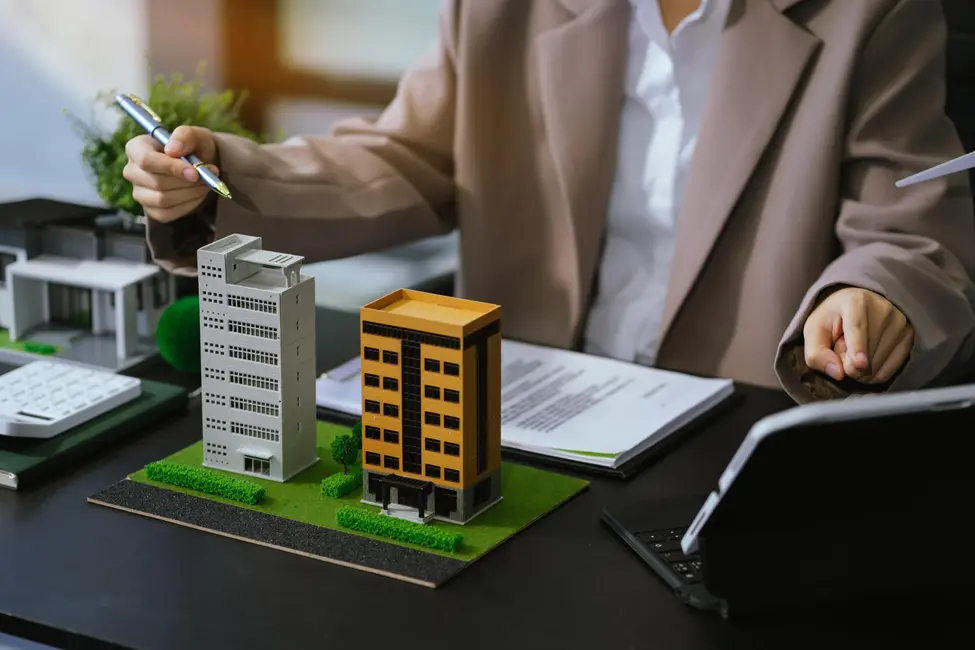
A property’s appeal comes from more than its appearance or address. Strong developments combine useful design, reliable construction, practical amenities, and a setting that suits the people who live or work there. In the wider real estate sector, these qualities distinguish places that provide more than space by supporting everyday life and business activity. Buyers can assess them by considering how a development functions, fits its surroundings, and meets its intended purpose.
Residential and commercial projects serve different needs, yet both depend on careful planning. Homes should offer comfort, privacy, and convenience, while business spaces need accessibility, adaptable layouts, and infrastructure that supports operations. Understanding these differences helps people recognise thoughtful development and make informed property decisions.
What Defines a Well-Planned Development?
A well-planned development starts with an understanding of its users. Designers consider the activities that will take place, the movement of people, available space, and the relationship between indoor and outdoor areas. Decisions about layout, access, utilities, shared facilities, and landscaping should work together rather than compete for attention.
The surrounding neighbourhood matters as well. Transport links, essential services, workplaces, schools, and public spaces can influence convenience and long-term suitability. A development may have attractive interiors, but difficult access or unsuitable facilities can limit its usefulness. Strong planning connects the building with the daily routines it is intended to support.
Features That Make Developments More Useful
The details that distinguish a property become clear when people consider how they will use it. Several elements can influence the experience of residents, employees, customers, and visitors. These include the organisation of space, construction standards, location, amenities, and the ability to accommodate changing needs.
● Functional Layouts
A good layout makes movement intuitive and uses space effectively. In homes, this may mean separating private and shared areas, providing practical storage, and creating rooms that support daily routines. In commercial buildings, it may involve efficient circulation, meeting areas, service access, and floor plans that accommodate different business activities. Thoughtful arrangements can make spaces easier to use without relying on unnecessary design features.
● Construction Quality
Durable materials, careful workmanship, and suitable building systems contribute to reliability. Buyers should look beyond surface finishes and understand the quality of essential components, including plumbing, electrical systems, ventilation, and structural work. Relevant documentation and professional assessments can clarify what has been provided. Good construction practices also support the durability and usability of a building over time.
● Location and Connectivity
Location affects commuting, customer access, deliveries, and proximity to daily services. Residential buyers may value schools, healthcare, parks, and public transport. Commercial occupiers may focus on road connections, employee access, parking, and the needs of clients or suppliers. The most suitable location depends on how the property will be used and how easily people can reach it.
● Amenities With a Purpose
Amenities are most valuable when they respond to actual needs. Residential facilities may include landscaped areas, fitness spaces, children’s play areas, or places to gather. Commercial developments may benefit from parking, shared meeting spaces, security arrangements, and convenient common areas. The number of amenities matters less than their usefulness, maintenance, and accessibility for the people who rely on them.
Sustainability and Everyday Efficiency
Sustainability is increasingly relevant to how buildings are planned and operated. Natural lighting, efficient fixtures, thoughtful ventilation, water-conscious landscaping, and suitable materials can help reduce resource use when properly designed and maintained. These features can also improve comfort, but performance depends on the building, climate, and patterns of use.
Efficiency should be considered alongside long-term upkeep. Shared spaces need maintenance plans, building systems require servicing, and landscaping must suit local conditions. In real estate, a feature adds lasting value when it continues to work well after handover rather than simply looking impressive at launch. Buyers should ask how common facilities will be managed and what responsibilities residents or occupiers may have.
A Practical Checklist for Comparing Properties
Comparing properties becomes easier when buyers use consistent criteria rather than focusing on appearance alone. The following points can help identify whether a development suits its intended purpose and practical requirements.
- Match the development type to your intended use.
- Review layout, access, and available facilities.
- Check construction details and relevant approvals.
- Consider transport links and nearby services.
- Understand maintenance arrangements and ongoing costs.
- Assess flexibility for changing household or business needs.
These checks provide a useful starting point, but each property requires individual review. Buyers should examine relevant documents, confirm permissions, and consult qualified legal or technical professionals when needed. A careful assessment can help identify concerns before a purchase or occupancy decision is made.
Different Priorities for Homes and Business Spaces
Residential developments are judged largely by comfort, privacy, safety, and how spaces support household routines. Natural light, usable storage, outdoor areas, and access to daily services can shape the living experience. Community facilities may be helpful, provided they suit residents and can be maintained properly. Buyers should consider whether the layout and surroundings support their current lifestyle and foreseeable household needs.
Commercial developments are assessed differently. Businesses may prioritise visibility, connectivity, customer movement, loading access, utilities, and the ability to configure space for their operations. A technology workplace may need reliable digital infrastructure, while a customer-facing business may require convenient access and clear circulation. For both property types, the best choice fits its users rather than simply following a popular design trend.
Conclusion
Residential and commercial developments stand out when design, construction quality, location, amenities, sustainability, and practical use are considered together. No single feature guarantees a successful property; its value depends on how well it serves its users and how responsibly it is maintained. Buyers should compare details, verify important information, and assess whether a property fits their needs and longer-term plans.
For those exploring luxury real estate, Genurise Builders offers residential and commercial developments across Bengaluru, including apartments, villas, plotted communities, and business spaces. Its approach emphasises thoughtful planning, quality, functionality, innovation, and sustainability. By offering varied development formats and focusing on purposeful design, Genurise Builders provides options for people considering properties suited to different lifestyle and business requirements.
Also Read-What Makes Residential and Commercial Developments Stand Out